

The Evolution of Edibles
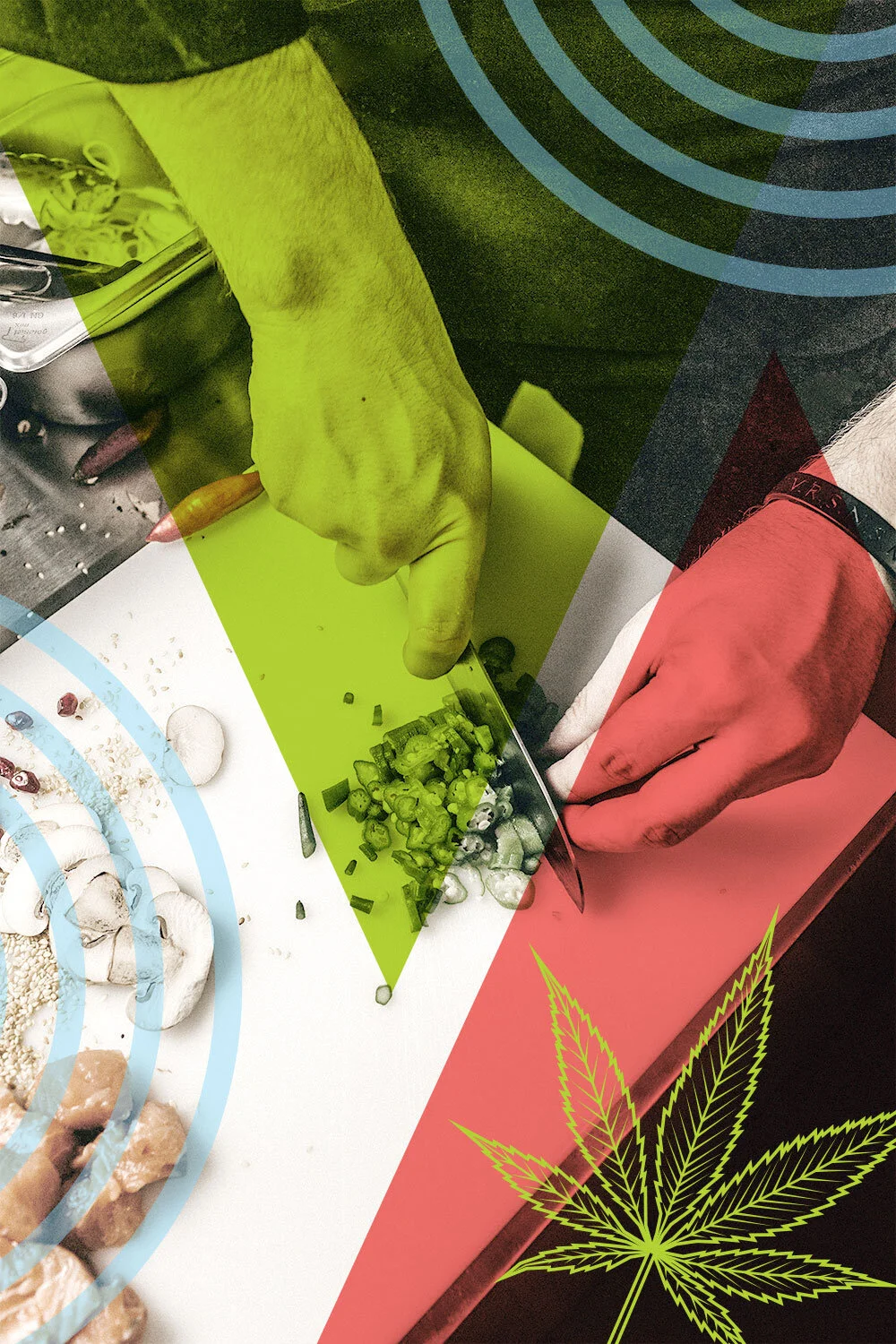
From pot brownies to fine dining – how cannabis infused dining is changing the game
By: Sarah Francey
Featuring John MacNeil
and Elycia Ross
Edibles have been the fastest-growing segment of cannabis products in recent years. They’re a delicious and discreet way to consume cannabis with prolonged effects and are endlessly adaptable. The simplest explanation for the increased popularity of edibles is, very simply put, people like to eat. Cannabis and food have always been a match made in munchie heaven.
In the States, we have seen a proliferation of infused dining, with top chefs adding cannabis to the menu in Hollywood and in private dining settings. Finally, here in Canada we too are seeing private adaptations of infused dining, with celebrity chefs joining the cannabis realm to create elevated infusions with limitless flavour pairings.
Cannabis as an addition to dining experiences isn’t just about the intoxicating effect, the flavour profiles that you can leverage from the plant play exceptionally well into a fine dining experience. If you’re familiar with terpenes, you’ll understand why.
But if we take a further step back and look at cannabis dining holistically and existentially, one of the best reasons to engage in infused dining is the connection. Why do we love sharing a meal with loved ones so much? Beyond the salacious flavours – it’s the connection. Food and cannabis are both inherent connectors and foundational blocks in forging community.
We dug into the future of infused dining and the complexities of this format with some of Calgary’s top chefs to explore the benefits of whole plant cooking and the power in this format to create beautiful shared experiences.
Let me preface this with the passion of the chefs as they lean into this new industry. Not only does their love for food and flavour pairings shine through, but their drive to elevate the cannabis plant is truly admirable. They look at the experience of cannabis dining as something so much more than just a great meal – but an opportunity to educate and create deeper connections. It’s one of those topics that humbles you and reminds you of the power behind this plant and the endless potential it poses.

The Chefs elevating The Game
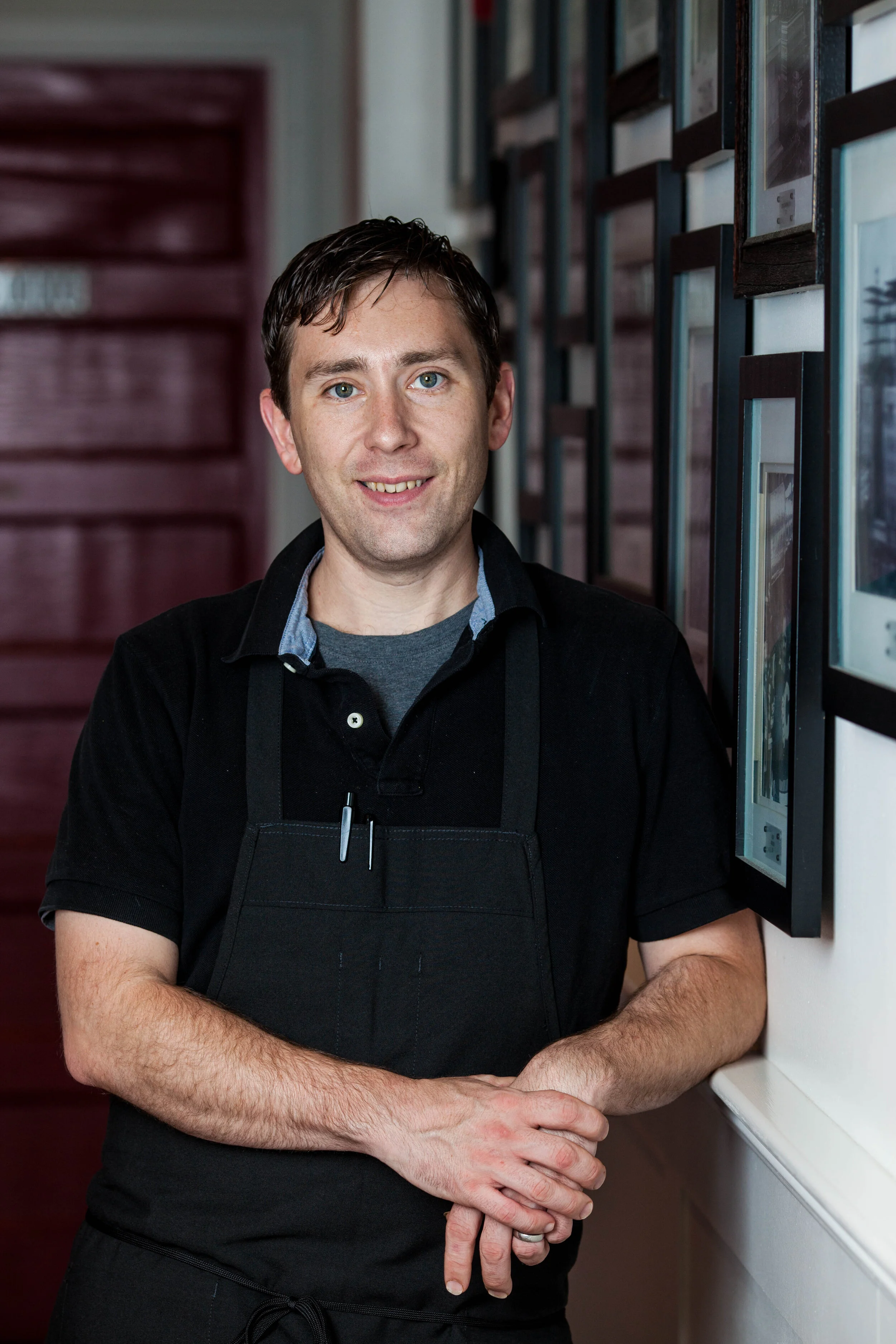
Chef John MacNeil is an award-winning Red Seal chef, working at Michelin-rated restaurants in Europe before making a name here in Calgary. He was an executive chef at Teatro Ristorante and then opened The Black Pig Bistro in Bridgeland, and later moved to the beloved Beltliner restaurant. He launched himself into the cannabis world with his own line of edibles, ReTreat, which focused on gourmet baking mixes which you could then infuse with your cannabis product of choice.
Licensed Producers took notice of the waves John was creating, and in 2019 he teamed up with Zenabis, a Vancouver-based producer of medical and recreational cannabis. He spent a year researching terpenes and flavour profiles with them, writing recipes and working as a consultant the help them bring edibles to market. It was a step away from his traditional chef roles, but an exciting world to leverage his developed skills in.
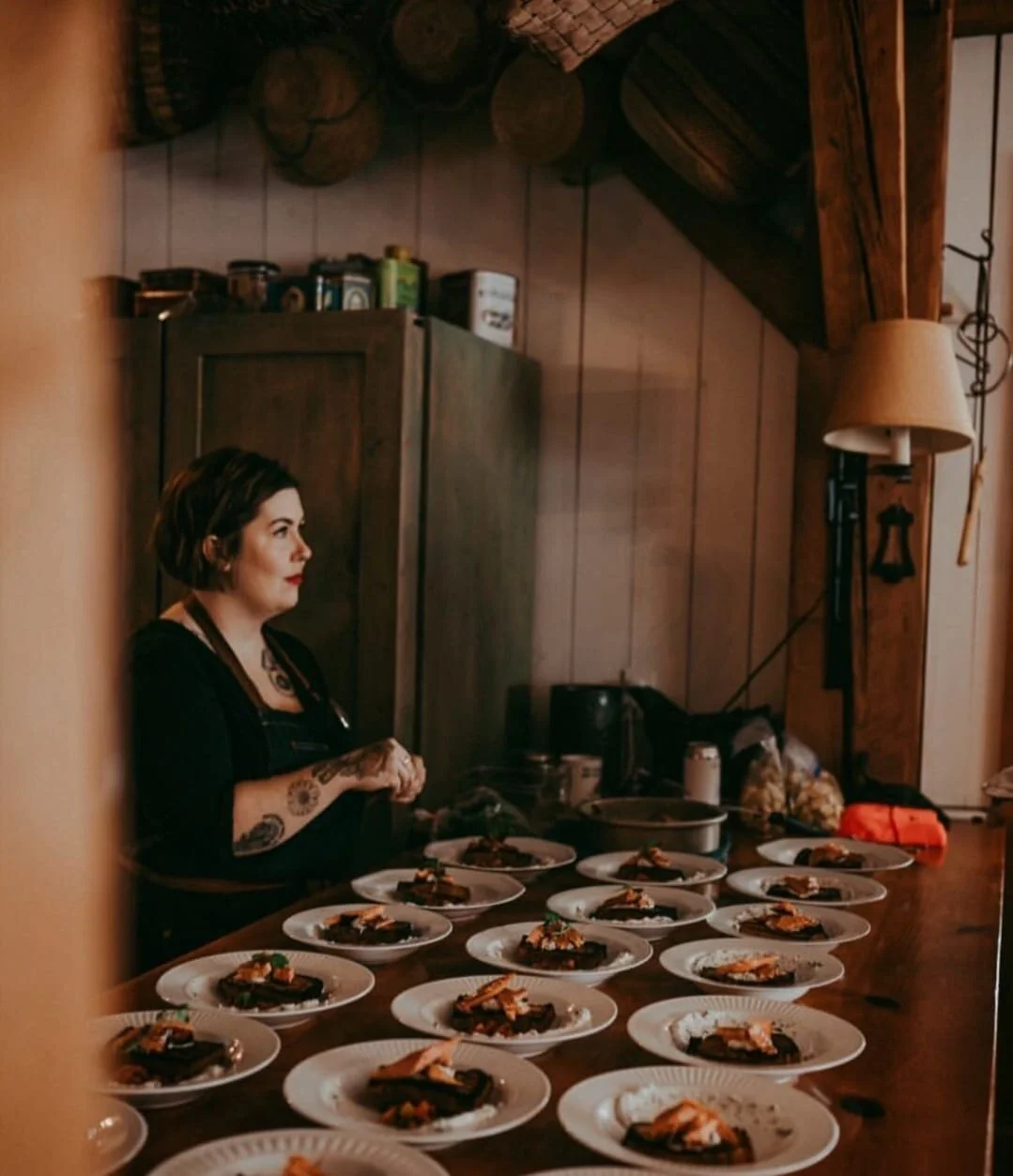
Chef Elycia Ross is currently the head chef with Lil’ Truck on the Prairie and was a participant in season eight of Top Chef Canada. Her culinary career began in Banff which then brought her to Calgary, where she truly launched her career working with some local favourites – including Sidewalk Citizen Bakery, Farm and National. Creativity, community and highlighting amazing local food are her drivers, which lead her to create the Lil’ Truck on the Prairie with her business partners. With a keen focus on using food to forge community and connection, cannabis made a natural complement and she began hosting private cannabis infused dinners in Calgary.
Chef Elycia used cannabis for her own mental health and developed a deep appreciate for the benefits of the plant, and it was only natural to pair that with thing that she loved – food! As cannabis was legalized and viewpoints shifted, opportunities within the new industry started opening up where cannabis could play a very prominent role in dining experiences and she began hosting private dinners with various organizations.
Curating The Vibe
What considerations are top of mind when creating an infused menu?
John: “Dosing at private dinners was interesting – you get the really experienced users who are looking for 100 mg to 250 mg and then you may have medical users who are looking for 500 mg and up.
Of course, these are extreme situations at the end of a very wide cannabis tolerance spectrum. It’s a stark contrast to the 10 mg cap per packaged edibles you can get in-store, with some consumers feeling comfortable with just 2.5 mg.
The complexity with individual tolerances and infused dining experiences is in how do you ensure this is a comfortable experience for all with such wide tolerance ranges?
John: “Play it safe – I usually don’t go over 30 or 50 mg, and most often 15-20 mg is perfect. But you have to give people options to dial it back or skip the infusion should they choose, so they can fully control their personal experience. You have to adapt the food to accommodate that – playing with smaller bites versus larger plates and choosing what elements to infuse.”
In terms of dosing, it’s always a customized experience, and for those looking for an extra “boost”, John introduces more traditional elements – such as flower or vape pens that will further highlight the terpene profiles and food flavour profiles. It’s a great tool to keep in the kit to further amplify the experience."
Elycia: “When we start the conversation about infused dining, the responsibility part is always key. It’s really important to determine comfort level. Communication is crucial, I never want the experience to be overwhelming. I want to understand the level you’re willing to play within – and provide guidance.”
What sets the stage for success?
“Pre-communication prior to a dinner to determine each patron’s comfortability, and then a double-check with the participants prior to dinner to really understand their needs at that moment”, Elycia states. This makes it something everyone can engage in. “It can be a group of executives or people who are hotboxing the room while you’re cooking. Cannabis is starting to span these groups but is acting as that connecting force which is really exciting.”
Cannabis as a community builder
Legalization has shifted the stigma. Food is the essence of community and cannabis can be that catalyst as well, so the pairing seems natural from a societal standpoint, beyond the obvious flavour profiles.
Elycia: “You never want the [infused dining] experience to be overwhelming, but rather it should support stimulating conversations. One of the last dinners I did was something really special – everyone enjoyed the food, which was great, but everyone was connecting on this level that I really hadn’t seen at a dinner before. You dig in a little deeper. If you’re eating good food and in this great headspace, it just sets the stage for a pleasant and super friendly engagement. There’s this opportunity to really break down barriers and engage on a different level with cannabis dining.” That connection piece is so crucial to Elycia’s approach.
John: “There are people who truly care about edibles and there’s so much more to it than just getting people “leveled”. There’s more than just flash and smoke – there’s a real educational component that compliments the dining experience. You get this very beautiful experience when you look to the plant itself, as a medicinal herb, with its unique properties and flavour profiles.” There’s an ever-apparent drive to create this bigger experience with cannabis dining. It’s a host, a platform into this new realm of understanding.
There’s something very powerful to be said about that level of expertise where you see the food as one component to an entire experience and explore the true intersectionality of food, cannabis and dining.
Whole Plant Cooking
With so many ways to infuse, easy hacks to control precise dosing and the need to cater to so many experience levels, all while providing pleasing flavours – how do you best leverage the infusions?
John thrives in the realm of playing with terpene flavour profiles and associating flavours with the cannabis strain. You can see the excitement and joy he has when talking about the two – the little twinkle in the eye. The correlation between flavours and terpenes makes a great teaching experience since people are still learning about these compounds. Having that association to familiar food flavours is a great boost to developing further understanding about the plant. There’s so much more than just indica and sativa and that parallel helps distill the more complex concept of terpenology.
“You can structure your meal around terpenes – you start with something upbeat, lighter brighter sativas with limonene and then pairing heavier terpenes with heavier dishes like red meat.” That sentence alone to a cannabis lover and foodie should get you over the moon excited about infused dining; it conveys a deep understanding of the plant. John particularly loves infusing MCT oils and Arbequina olive oils to create flavourful infused adaptations.
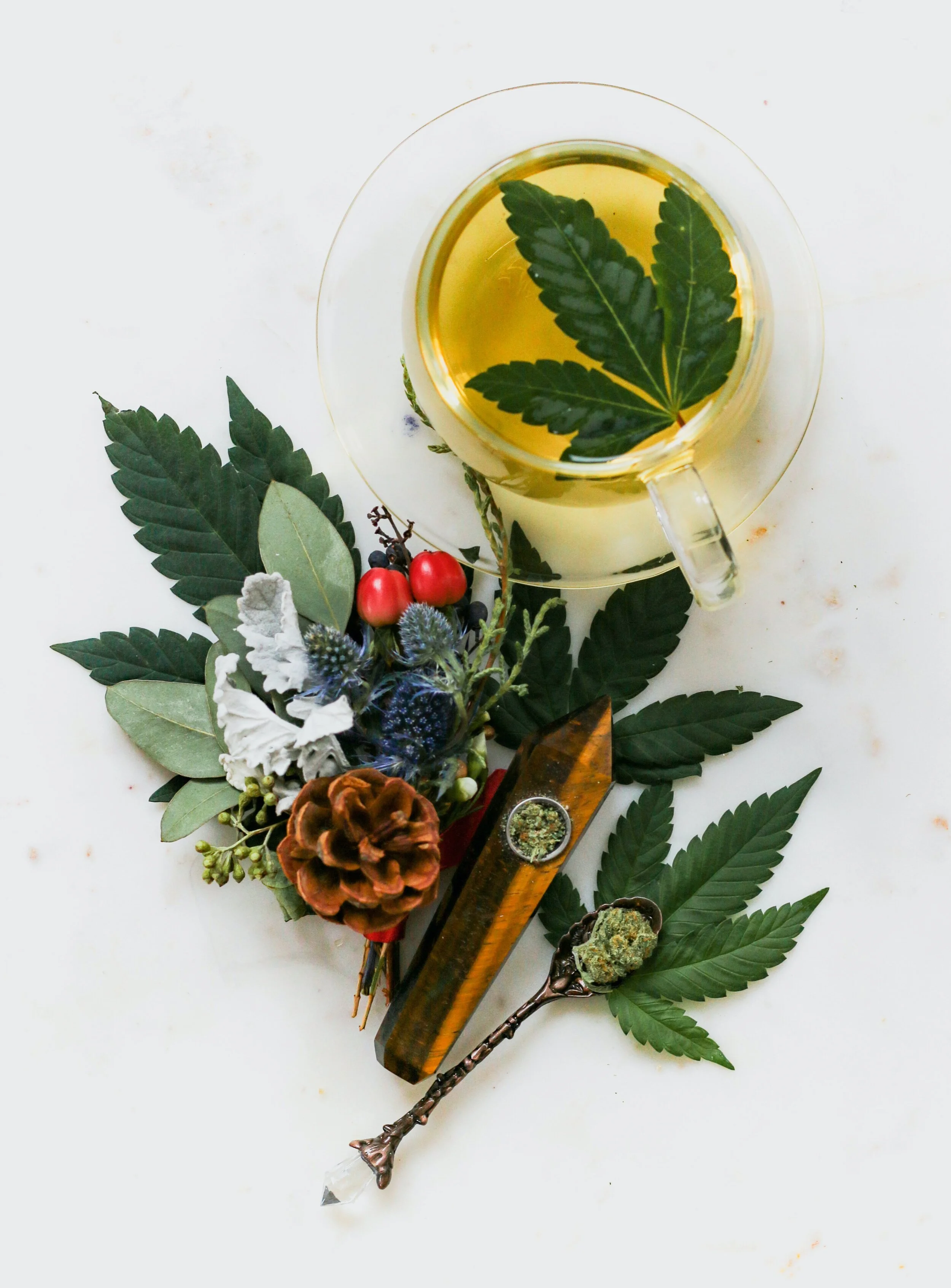
Elycia loves using infused butters because of the versatility, as well as olive oils and coconut oils – “Whole plant cooking allows you to leverage the flavour profiles and entourage effect. While using store-bought oils can be a great quick fix to ensure precise dosing and customization for all participants – there’s something special about tasting the cannabis product and how it plays into traditional food pairings”. She mentions the dreamy qualities of cannabis-butter infused mashed potatoes and you know our salivary glands are immediately activated hearing that classic pairing elevated.
the Future of Infused dining
Can infused dining be scaled into concept restaurants or on a larger scale beyond private dinners? When we talk about scalability, we truly see the community and connection aspect further shine through. What does the future of infused dining hold for you?
Elycia: I would love to do breakfast or high-end dining in a single brick-and-mortar space to get that dual use and have different concepts that support different audiences. You can make a tiered system for dosing and ensuring there are options for people to say no! There’s an opportunity to support the local economy within these concepts, so there’s a lot that we can do within the cannabis dining experience that can help to support the community, build equity and bring people together. You’re building this concept on decent values – I want this because I wanted to hinge on my own values of creating community and connection.”
Would you like to see a cannabis dining experience remain chef-driven or would you see this as a scalable option?
Elycia: “The cannabis dining experience will probably be more niche, there’s a place in smaller restaurants and there’s also a potential to scale it up and have it be in larger chains but that will take time. There’s a need to polish things up but there’s room for all of it!”
John: In regard to cannabis infused dining on a largely adopted scale – he stresses the importance of creating a safe, personal experience.
“I think I see it staying fairly small and hosting smaller intimate events. You want to know who you are dining with so you can create that palpable excitement and they can all start to embrace that “elevation” together. Those are some of the most enjoyable aspects about infused dining. I think if it was scaled, it would be very niche in an actual infused dine-in experience. People still may want to consume in a more private space and that’s fair – we all embrace cannabis differently. You have to think how do you bring this forward and how do you responsibly introduce cannabis to curious new audiences.”
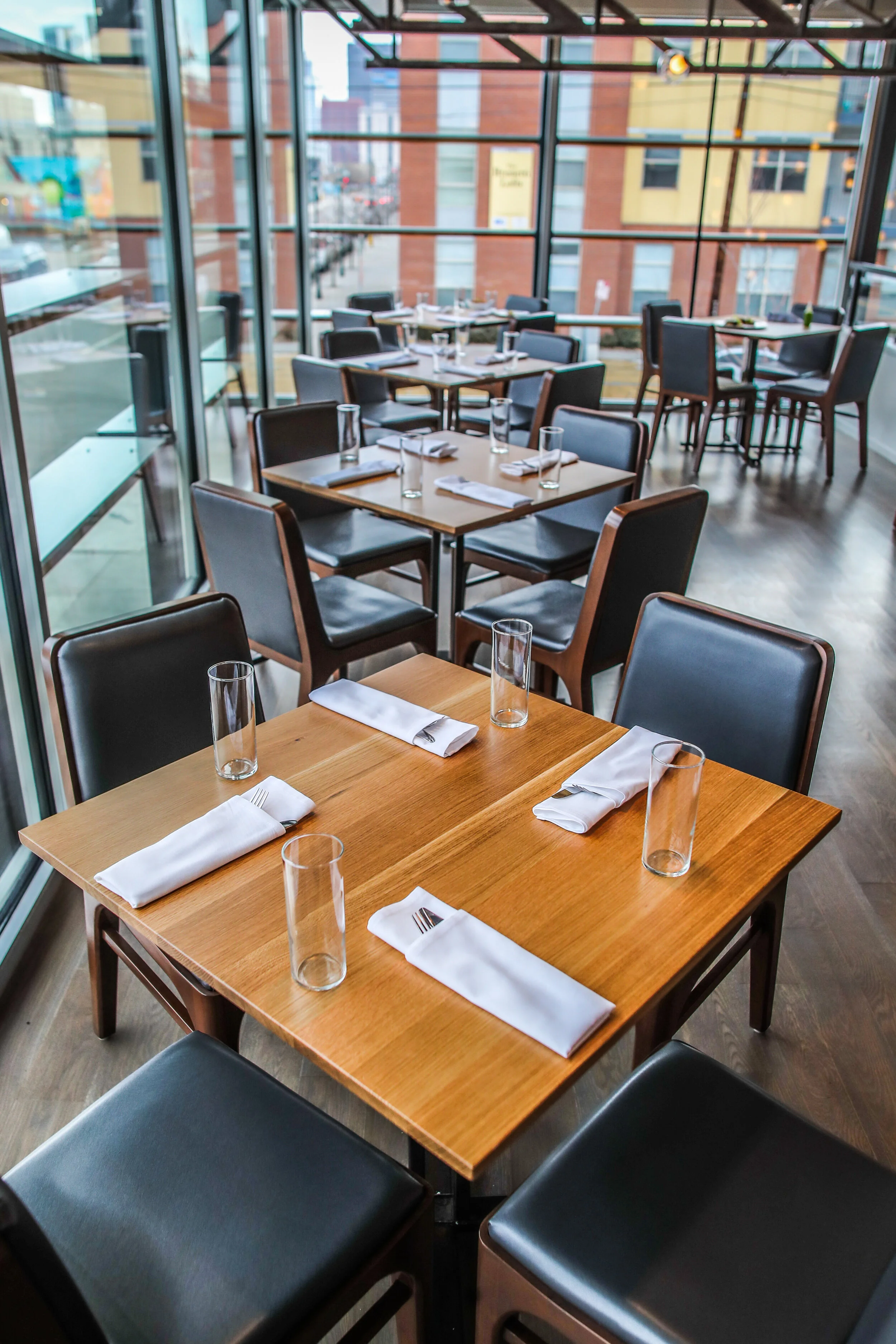
So, what’s John’s big picture goals with cannabis dining? Elevate edibles to a cleaner version that are more about real food!
“Because of restrictions and the self-stability required to be sold on the legal market – we are handcuffed to the quality and range of products we see. Sure, they’re tasty, but the options are slightly lacking. Because lots of them are distillate or oil, you’re missing a lot of the full-spectrum effect – so it would be nice to see the products shift to focus on highlighting whole plant benefits.”
To close, we took a little detour away from food when chatting about cannabis, but Elycia wanted to take the time acknowledge the reparations needed in the cannabis space.
“I’m really happy at the time that were in and that I can participate in something up and coming. I hope that as the industry evolves and just really as humans, we can continue to make progressive choices and there’s still a lot of work that needs to be done in terms of reparations in the cannabis industry and incarcerations. While cannabis has been a positive force, it’s important to acknowledge this kind of dark area and it still needs to still have light shone on it. There is some guilt when you can engage in a positive manner with this industry, while others are very stuck in a negative place regarding cannabis. It’s important to consider this duality when we chat about all the positives of cannabis legalization and innovation.”
There is so much potential within cannabis infused dining. Food is the vessel and cannabis is the catalyst that propels us into the bold, the imaginative, the transformational. Are you excited? We’re excited!