

Topical Terpenes

How our favourite compounds effect this new product innovation
By: Dr. Ife Abiola
With all the new and exciting products available, cannabis topicals may seem like they’re a smaller, more niche part of the market, and they are, though topicals are estimated to make up $174 million in sales in Canada in 2020 according to Deloitte. Nothing to scoff at for this little niche cannabis innovation. Many different producers and manufacturers are looking for an edge to help with the effectiveness of cannabis on skin. It’s only apropos that terpenes, the chemicals which gives strains their distinct effects and aromas, may hold the key to unlocking the secrets between skin and cannabis.
Not all terpenes provide the same effects, let alone when it relates to skin. Most terpenes are known for their effects when inhaled or ingested, but skin is much more nuanced. The effects are only felt when a terpene gets into or through the skin -- otherwise it’s not very useful. This is done with a solvent. A carrier that brings the active ingredients into the skin. There are some terpenes that can enhance how well and how quickly a solvent works. Alpha-Bisabolol is terpene that increases the rate of absorption and provides anti-inflammatory benefits as well and decreasing irritation. Bisabolol does not work well with water-based topicals, but oil or alcohol-based products will have no issues with solubility or texture. The chamomile scent is pleasant and relaxing to many users, making it an ideal addition to any mass-produced or home formulation. The cannabis topicals available in
the retail market aren’t recommended for broken or damaged skin, but irritation from allergies, abrasion and sun damage can make the face look tired and in need of repair. Bisabolol isn’t just valuable for decreasing anxiety, when it is applied directly to the skin, it allows for faster healing of minor skin damage and soothes skin that may have difficulty recovering.

The entourage effect between terpenes and cannabinoids also applies to topical products.
Beta-caryophyllene is a terpene that can act on the endocannabinoid system even without being combined with THC or CBD. Beta-caryophyllene’s effect as an anti-inflammatory is valuable in serums and creams. Inflammation of the dermis and epidermis can damage skin and lead to premature aging and damage of the collagen. But when we combine beta-caryophyllene with CBD it works far better, particularly with transdermal products. Stiffness and discomfort of joints and muscles are mediated by the cyclooxygenase pathways which CBD and beta-caryophyllene change to limit inflammation. The cannabinoid receptors found in the deep skin and superficial muscles are activated with these products because they don’t stay in the top layers of skin. Transdermals are specifically made to penetrate deeper than a cream or serum. Ingestible CBD oils are used for the same reason, but usually have the terpenes removed. Transdermal products with beta-caryophyllene not only work locally but could work better for a single problem area.
Most of the topicals are centred around the body only. But there are options that allow the mind to be engaged as well. Cannabis lotions and massage oils can connect both worlds. The impact on the skin is important but the aroma and experience of applying it is also a focus. Linalool is a terpene that is instantly recognizable by its lavender scent with flowery notes. The smell of linalool alone is shown to decrease heart rate and anxiety. Combining linalool with the muscle relaxing elements of CBD make the use of topicals a multi-sensory experience where the brain and body are both included.
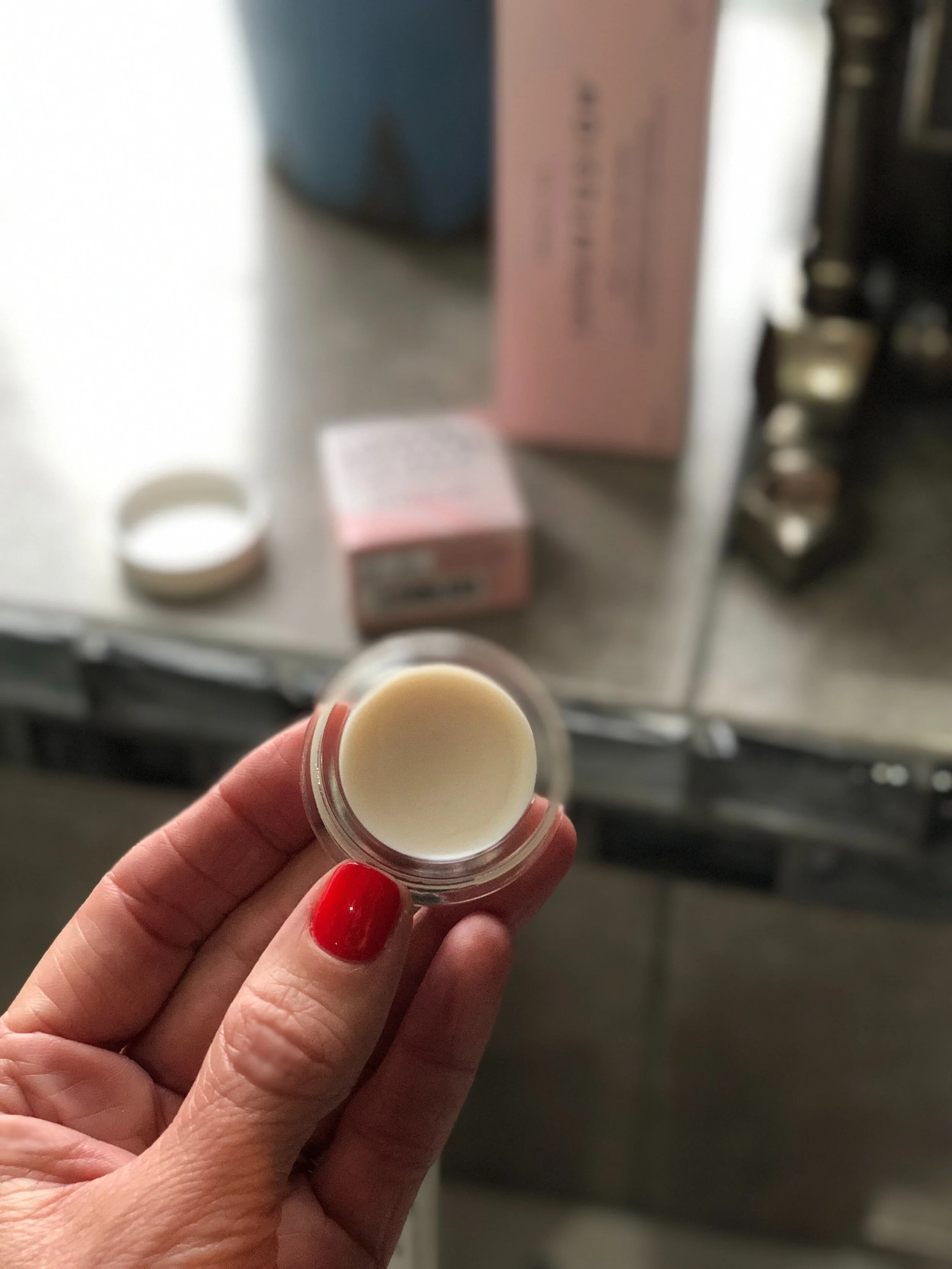
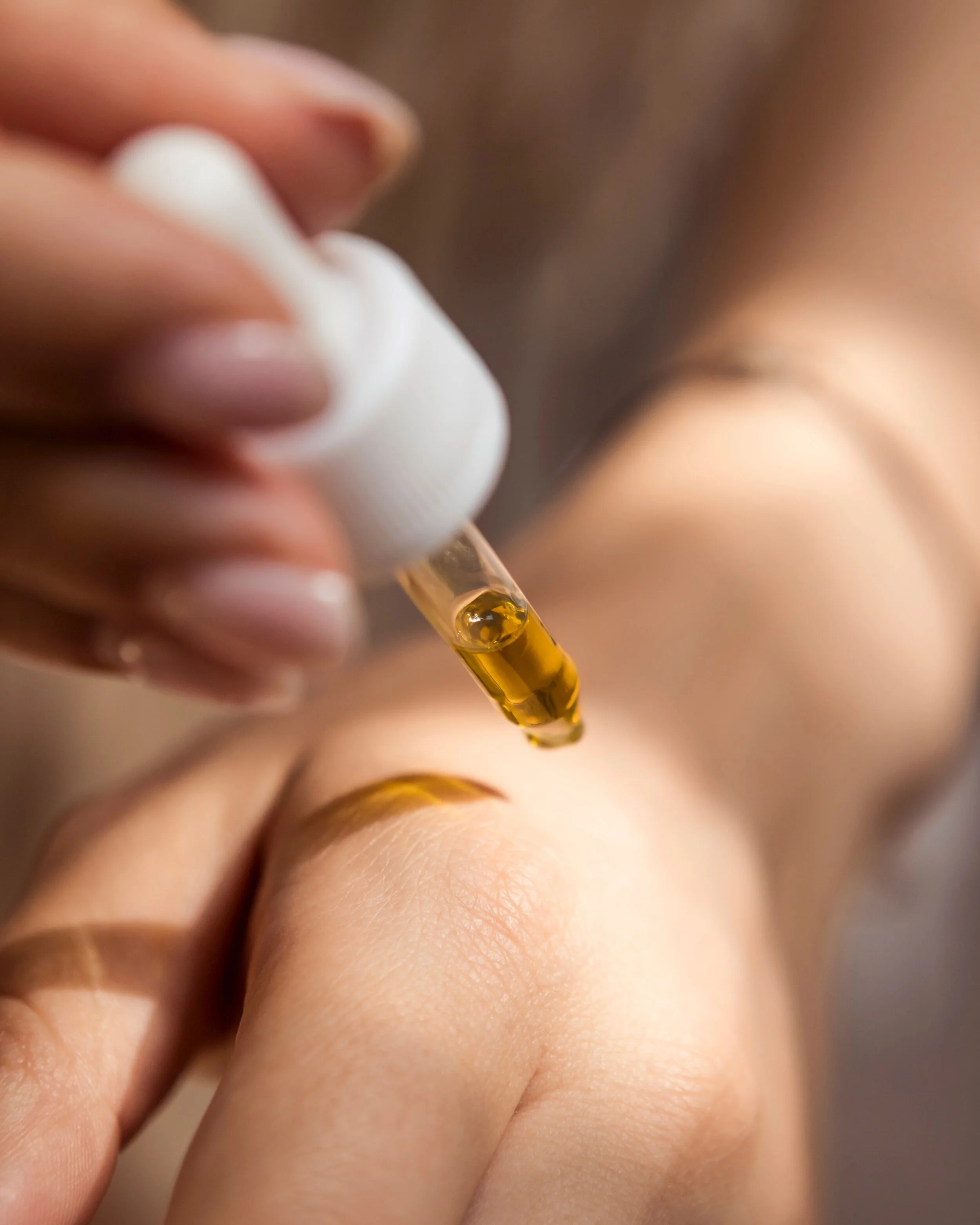
Lastly, the importance of understanding terpenes as they relate to topicals is inherently experiential but full of untapped potential.
The amount of variations and permutations available necessitate using them to find which ones work best for your unique needs. Whether purely cosmetic, therapeutic, or for an ailment or to be incorporated into your daily use every product is different. The terpenes from one product to another can vary wildly even though they are designed for the same condition. In the same way terpenes are like the icing on the cake for our dried products, they give the same features here. A hands-on approach to searching for and using these products will lead any consumer to consistent combinations that suit them best.